Clear Creek Gold Panning
Clear Creek is one of the biggest names in Colorado gold panning for a reason. It is close enough to Denver to work as a day trip, tied directly to the earliest major gold discoveries in the state, and still one of the first places beginners think about when they want to pan in real mountain water. But Clear Creek is also a place where access, expectations, and local knowledge matter. This guide is built to help visitors understand what makes the area special and how to approach it the right way.
Why Clear Creek matters in Colorado gold history
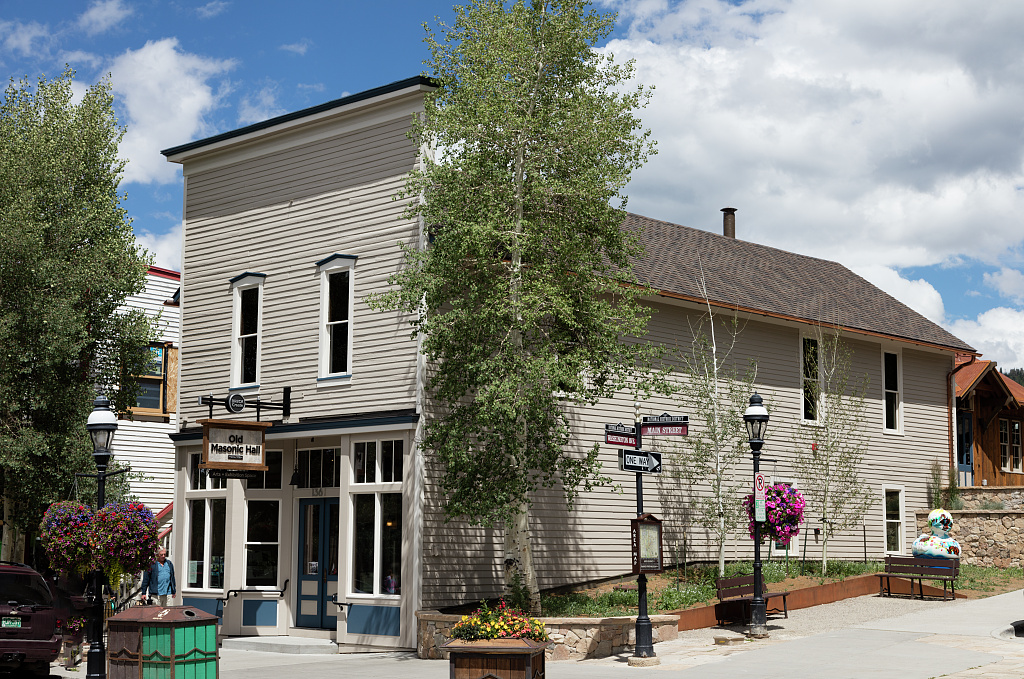
Clear Creek is not just another stream people happen to pan in. It sits near the heart of Colorado’s earliest major gold story. Official county and historical sources tie Idaho Springs and the Clear Creek corridor to George A. Jackson’s early 1859 placer discovery, a moment widely treated as one of the first substantial gold finds in what became Colorado. That history still shapes how people see the creek today. When visitors pan here, they are not just practicing a hobby, they are stepping into one of the places that helped launch the Colorado gold rush.
That historical weight also explains why Clear Creek has such staying power in modern search interest. It combines real prospecting identity, easy recognition, scenic canyon travel, and a strong connection to well-known historic towns like Idaho Springs, Georgetown, and Silver Plume.
What Clear Creek gold panning is really like
A lot of people imagine Clear Creek as a place where you can pull off the road, dip a pan anywhere, and immediately start finding gold. That is not the right mindset. Clear Creek is better understood as a broad historic corridor with a mix of access realities, pressure, changing water conditions, and very different trip experiences depending on exactly where you go.
For beginners, the creek is often attractive because it feels like real gold country without requiring a huge drive. For experienced hobbyists, the appeal is the long mining history, the variety of creek character, and the challenge of reading water that has seen a lot of traffic over the years.
- It is scenic and easy to combine with a Colorado day trip.
- It is historically important and easy to explain to first-timers.
- It is popular, which means some areas get worked hard.
- It rewards patience, realistic expectations, and careful access research.
Who Clear Creek is best for
Clear Creek works especially well for a few types of visitors. First, it is a great choice for people based in Denver who want a mountain prospecting day trip without committing to a longer drive into South Park or other districts. Second, it is strong for history-minded travelers who want a place that connects directly to Colorado’s gold rush story. Third, it works for curious beginners who understand that learning the water and the process is more important than finding dramatic gold right away.
It is less ideal for people who want a guaranteed easy public setup with no research, or for those who expect every part of the corridor to be equally open, equally productive, and equally beginner-friendly.
What to check before panning Clear Creek
This is where a lot of visitors get sloppy, and it matters. Clear Creek includes stretches with different ownership patterns, different local realities, and different levels of pressure. Before heading out, check:
- whether the exact spot is public, private, or affected by an active claim
- whether there are local restrictions, closures, or seasonal conditions
- whether the bank access and footing are safe for the people going with you
- whether high water, runoff, or weather make the trip a poor choice that day
The best Clear Creek trips usually start with a specific plan, not just the idea of wandering until the water looks promising.
How the Clear Creek experience shifts from west to east
One useful way to think about Clear Creek is as a corridor of different trip styles rather than a single identical destination. Closer to the Front Range, the creek can feel more like a practical access point for quick learning and experimentation. Around Idaho Springs and deeper into the historic mining zone, the day starts to feel more connected to Colorado gold history, mountain scenery, and destination-style prospecting. That shift matters because it changes what people should expect from the trip.
If your goal is pure convenience, metro-adjacent access points may make more sense. If your goal is the full mountain gold-country feel, the Idaho Springs direction is often more satisfying even if it takes more planning and awareness.
How beginners should approach Clear Creek
The smartest beginner approach is to treat Clear Creek as a classroom. Bring a basic pan, keep the trip manageable, and focus on learning how heavy material settles behind rocks, along inside bends, and in cracks or pockets where water slows down. Do not judge the creek by one scoop or one random section of gravel.
A successful first Clear Creek outing usually means:
- you picked a legal and safe place to be
- you learned how the creek behaves
- you practiced reading the water instead of just digging at random
- you left with a better sense of how Colorado mountain panning actually works
If you find real color too, that is a bonus, not the only measure of success.
Ways to turn Clear Creek into a better day trip
One reason Clear Creek stays popular is that it pairs easily with a broader Colorado outing. A simple panning trip can also include historic Idaho Springs, scenic canyon driving, mining history stops, or a paid attraction if someone in the group wants a more guided version of the experience. That flexibility makes the corridor especially useful for mixed groups where not everyone wants a hardcore prospecting day.
It is also a good place to test the hobby before planning a bigger prospecting trip to places like Fairplay, Cache Creek, or other more destination-style areas.
Is Clear Creek worth it?
Yes, especially if you understand what it is. Clear Creek is worth visiting because it combines history, scenery, accessibility, and real prospecting identity in a way few Colorado places can. It is not magic ground, and it is not a substitute for doing your homework. But as a place to connect with the roots of Colorado gold panning and practice the basics in a genuinely meaningful setting, it is one of the strongest names in the state.
Clear Creek attractions and mining experiences
Argo Mill and Tunnel
2350 Riverside Drive, Idaho Springs, CO 80452
Phone: 303-567-2421
Website: argomilltour.com
One of the most recognizable mining attractions in Clear Creek country, with guided history-focused experiences and gold panning that fit well with a Clear Creek day trip.
Phoenix Gold Mine
800 Trail Creek Road, Idaho Springs, CO 80452
Phone: 303-567-0422
Website: www.phoenixgoldmine.com
A standout option for visitors who want both an underground mine tour and gold panning in one stop, making it one of the strongest family-friendly mining experiences in the county.
Clear Creek County Mining Information
405 Argentine Street, Georgetown, CO 80444
Phone: 303-679-2300
Website: clearcreekcounty.us
An official county resource that helps visitors understand local mining, gold panning, and access expectations before assuming a creek or open area is fair game.
Best known for: history, accessibility, and strong name recognition
Best nearby hub: Idaho Springs
Best use: beginner learning, scenic day trips, and gold-rush context
This page was informed by official Clear Creek County history references, Idaho Springs historical material, and broader Colorado prospecting context, then rewritten into an original long-form guide.